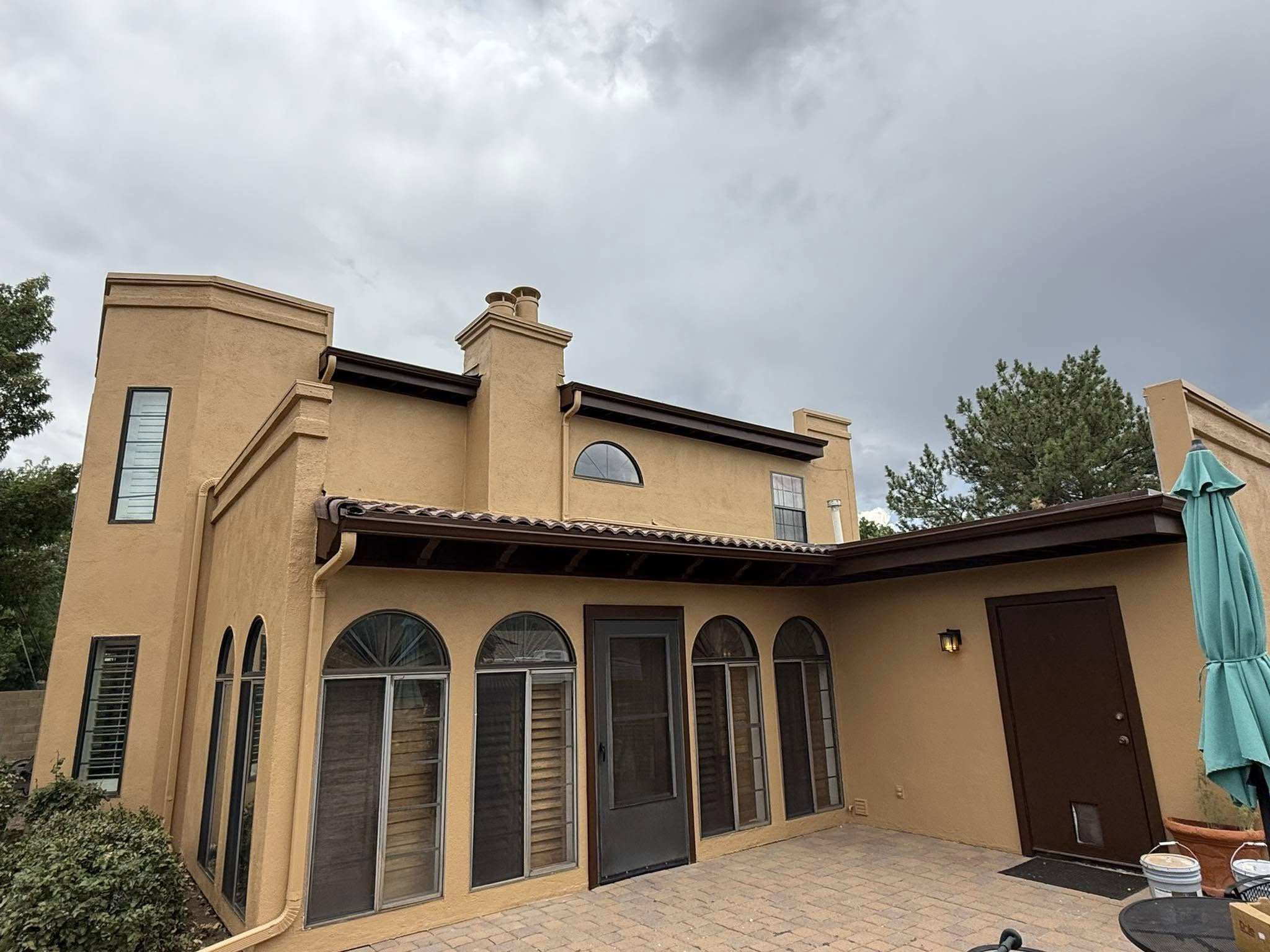
The Impact of Lighting on Color: Insights and Tips from True Vision Painting May 17, 2026
When natural light spills into a room, it brings out the truest form of colors. Sunlight has a balanced color temperature, making it an ideal condition for evaluating paint samples. Rooms with ample windows will exhibit the painted hues in their most authentic form. As the day progresses, however, natural light changes, altering the appearance of colors. Morning light is warm and soft, leading to a more golden tone, while afternoon light can be cooler, affecting how colors are perceived. Position your samples so they are exposed to natural light, and observe the changes at different times of the day. This approach can save you from the dissatisfaction that might arise from unexpected color outcomes.
Artificial lighting is another critical factor to consider. Types of bulbs—LED, fluorescent, and incandescent—cast different color temperatures and can skew the hues of painted walls. Incandescent lights tend to bring out warm tones in colors, enhancing reds and oranges, while making blues and greens appear duller. On the other hand, fluorescent lighting can be cooler, sometimes adding a bluish cast to certain shades. Modern LED lighting offers a broad spectrum of color temperatures, providing flexibility. When selecting paint colors, take note of the lighting fixtures you plan to install or already have, and consider testing paint samples under these light scenarios to ensure they meet your expectations.
The direction of the room plays a substantial role in how color presents itself. Northern light is cooler and more muted, which might make colors appear softer and more subdued, while southern light is abundant and more direct, which can intensify colors and warmth. Eastern-facing rooms are bright in the morning and can cast a yellowish hue, while western light, warmer and more golden, can make colors glow in the evening. True Vision Painting advises tailoring your color choices to the specific light direction of each room to achieve the desired effect.
To fully harness the impact of lighting on paint colors, it’s beneficial to use samples and test patches. Visualizing how colors change with light can prevent costly overhauls down the line. Use large sample swatches and place them on different walls within the space. Consider both the size of the room and the finishes being used. Matte and eggshell paints absorb light differently than satin or semi-gloss finishes, which can alter the perceived brightness and hue of colors.
In conclusion, the intricate dance between light and color should not be underestimated. By understanding the impact of lighting, and through careful testing and consideration, you can make the most informed decision for your living or working spaces. Here at True Vision Painting, we’re committed to helping our clients achieve their vision while ensuring that the final outcome is as beautiful as intended, under every light condition. For further assistance and personalized advice, reach out to us and let’s transform your surroundings with expert precision and insight.
/filters:no_upscale()/filters:format(webp)/media/30819c59-0b23-4233-8935-423e02a405af.jpeg)